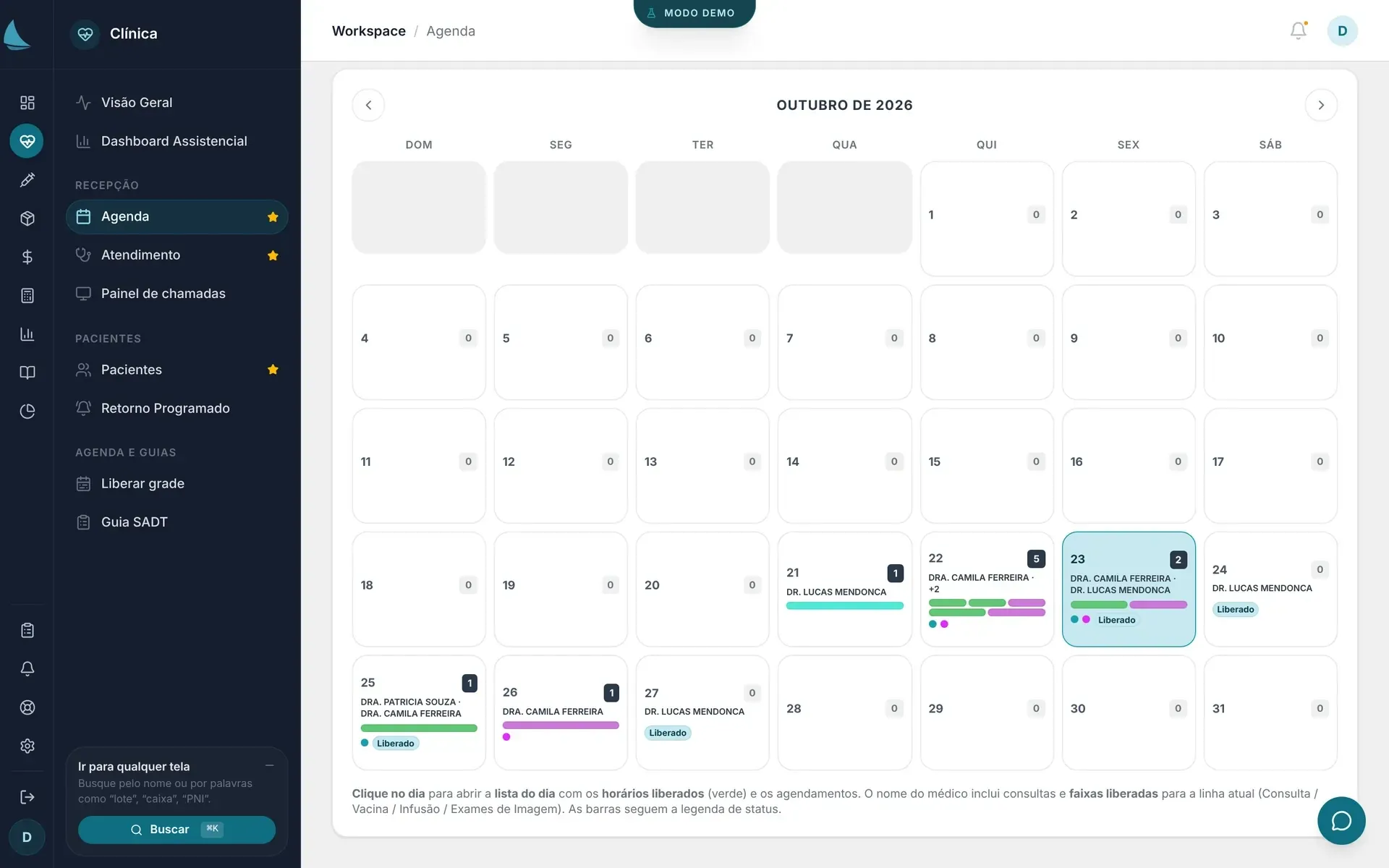
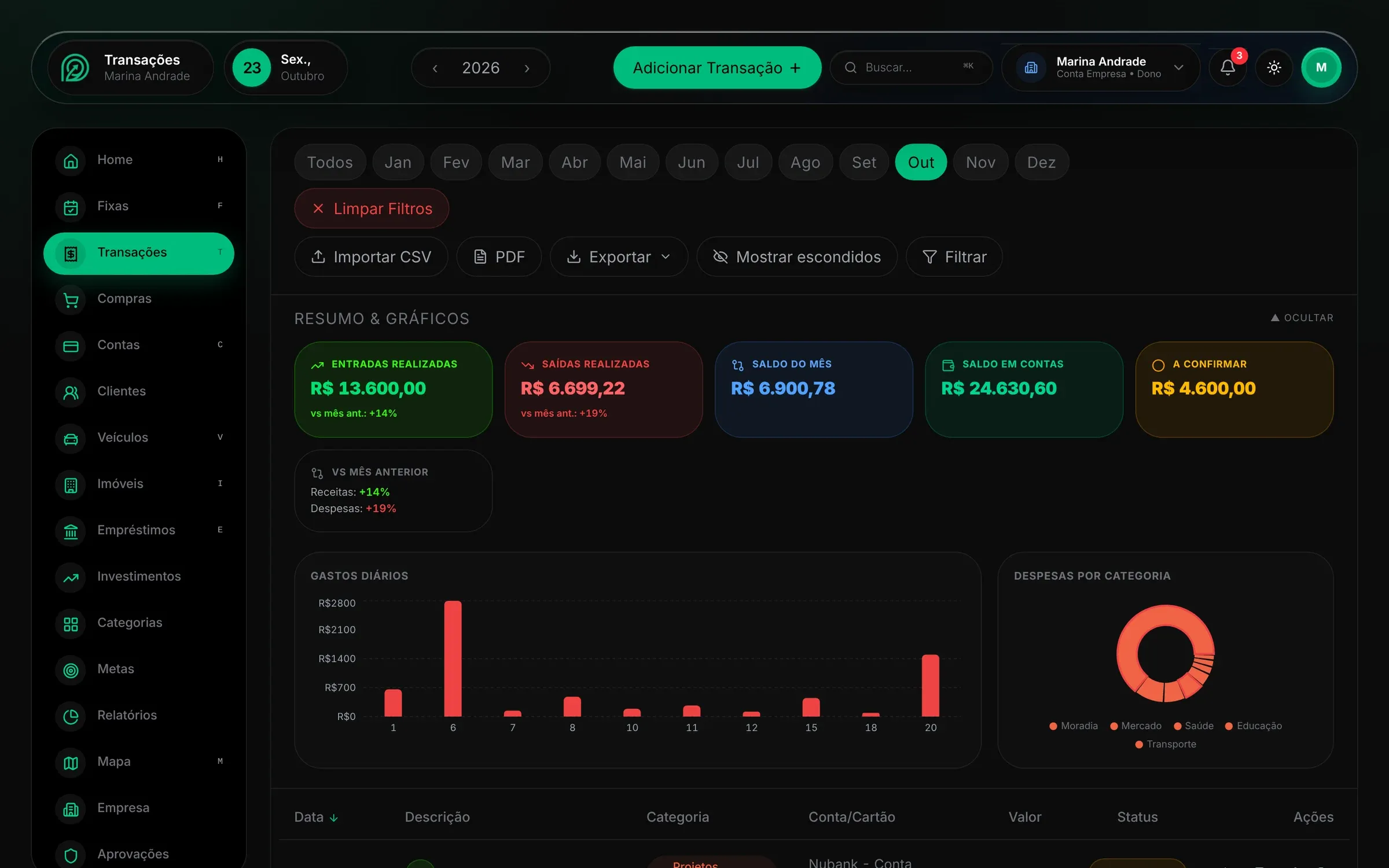
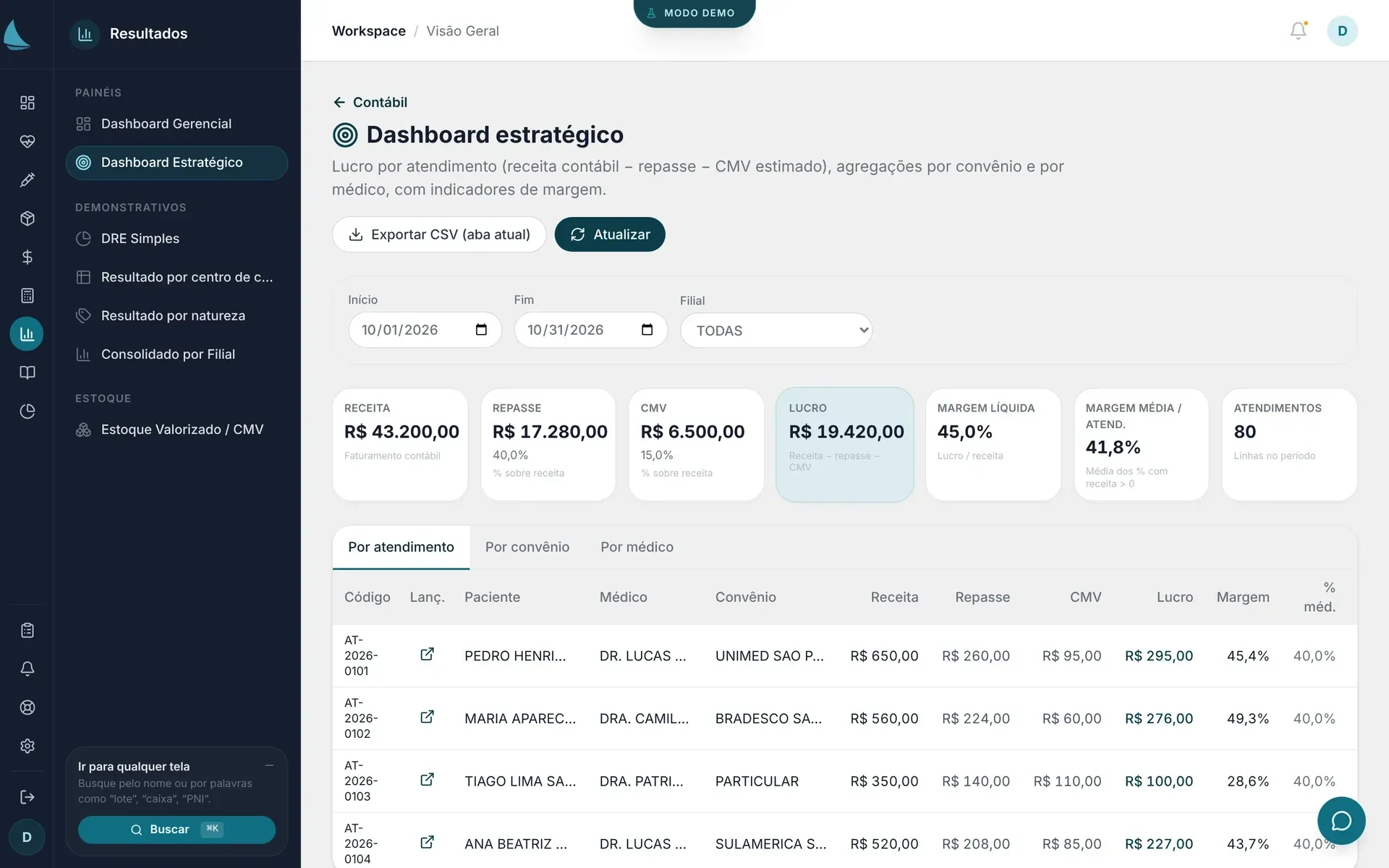
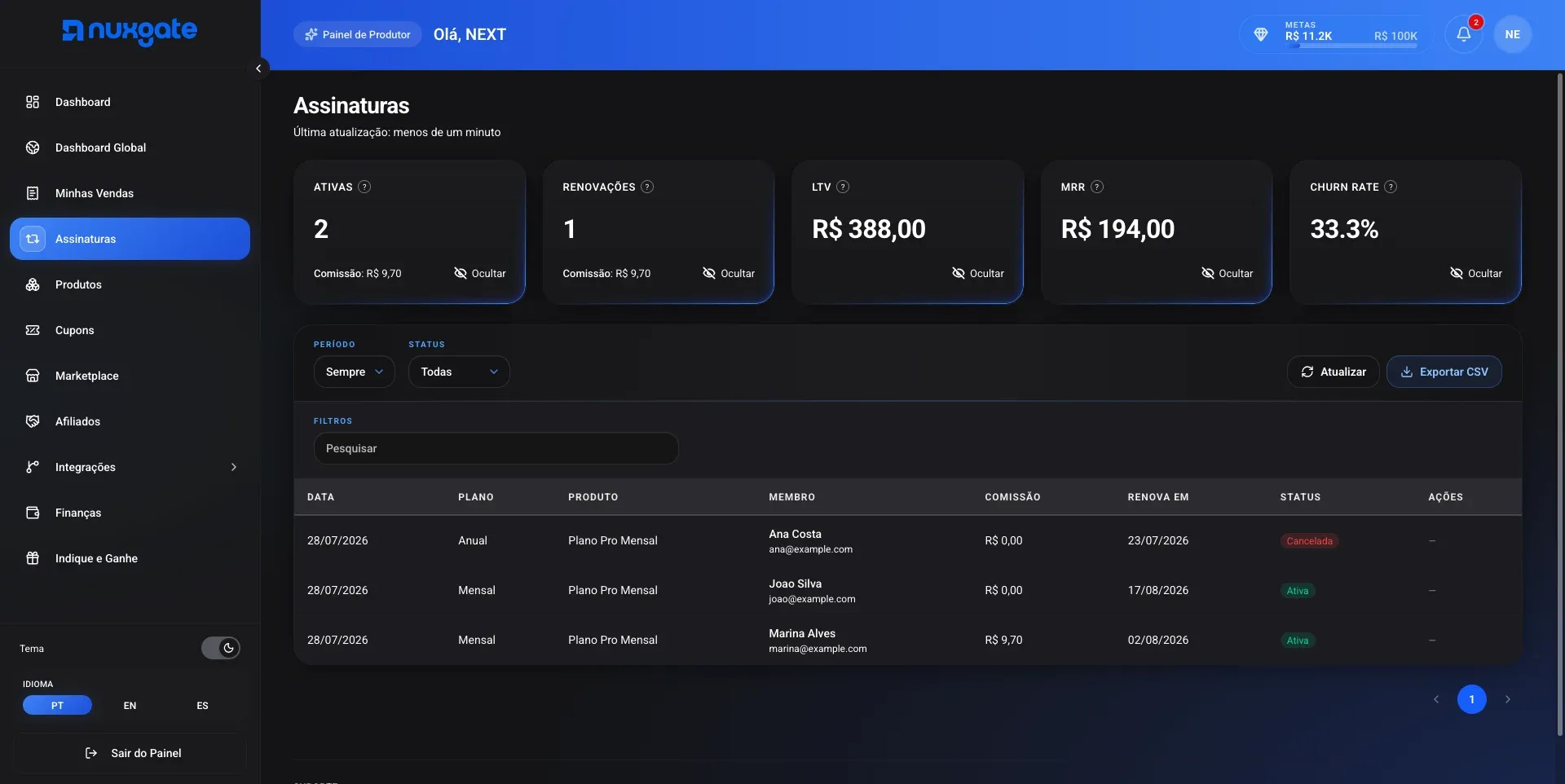
Web systems, SaaS, apps, Windows software, integrations and portals for businesses. We also take over existing systems. Each service comes with the projects where we have done that work and, when the project is live, a link to open it.
07 services/10 projects
Custom web systems
The problemThe operation runs on spreadsheets and on systems that don’t talk to each other. Someone copies the same data from one place to another, and month-end reconciliation depends on that person.
What we deliver
A web system built on your operation’s rules, working on desktop and on mobile
Role-based permissions, so each person sees and changes only what is theirs
Reports with export to CSV, XLSX and PDF
Integration with what the company already uses, such as WhatsApp, Google Calendar and invoicing
How we do it
We start with the workflow that causes the most trouble, following the people who do that work today. The first version solves that workflow end to end. Other areas come in over the next cycles, connected to the same data.
The problemYou want to sell the same software to many customers. For that, it has to keep each customer’s data separate, bill every month and show the people running it how the business is doing.
What we deliver
Multi-tenant base, with each customer’s data kept separate
Plans, subscriptions and checkout, with access granted when the payment is approved
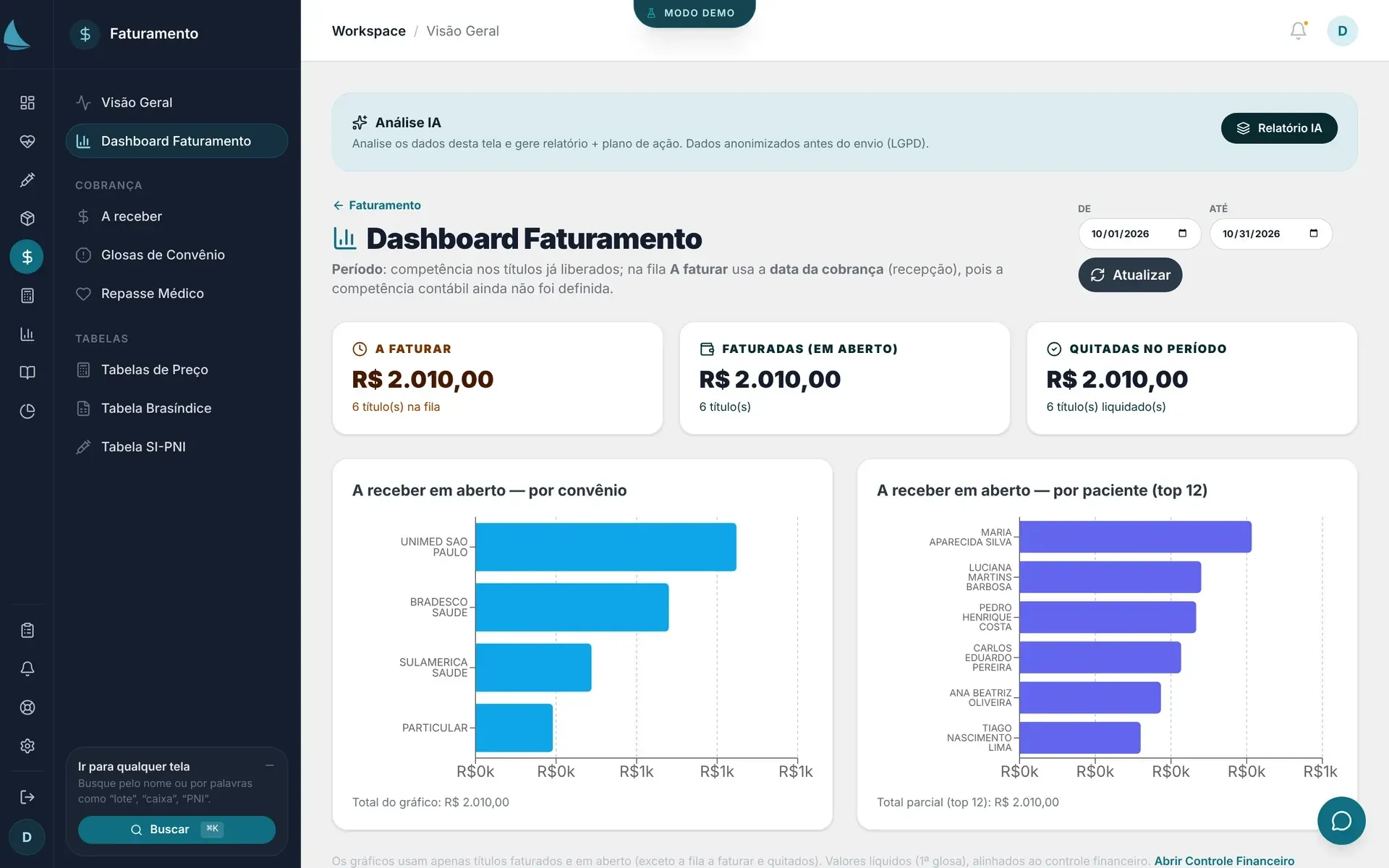
Subscriber panel and admin panel with usage, sales and funnel
White-label version, with the client’s brand and domain
How we do it
We design customer accounts and billing right at the start, because those are the most expensive parts to change later. The rest grows version by version, following what customers use most.
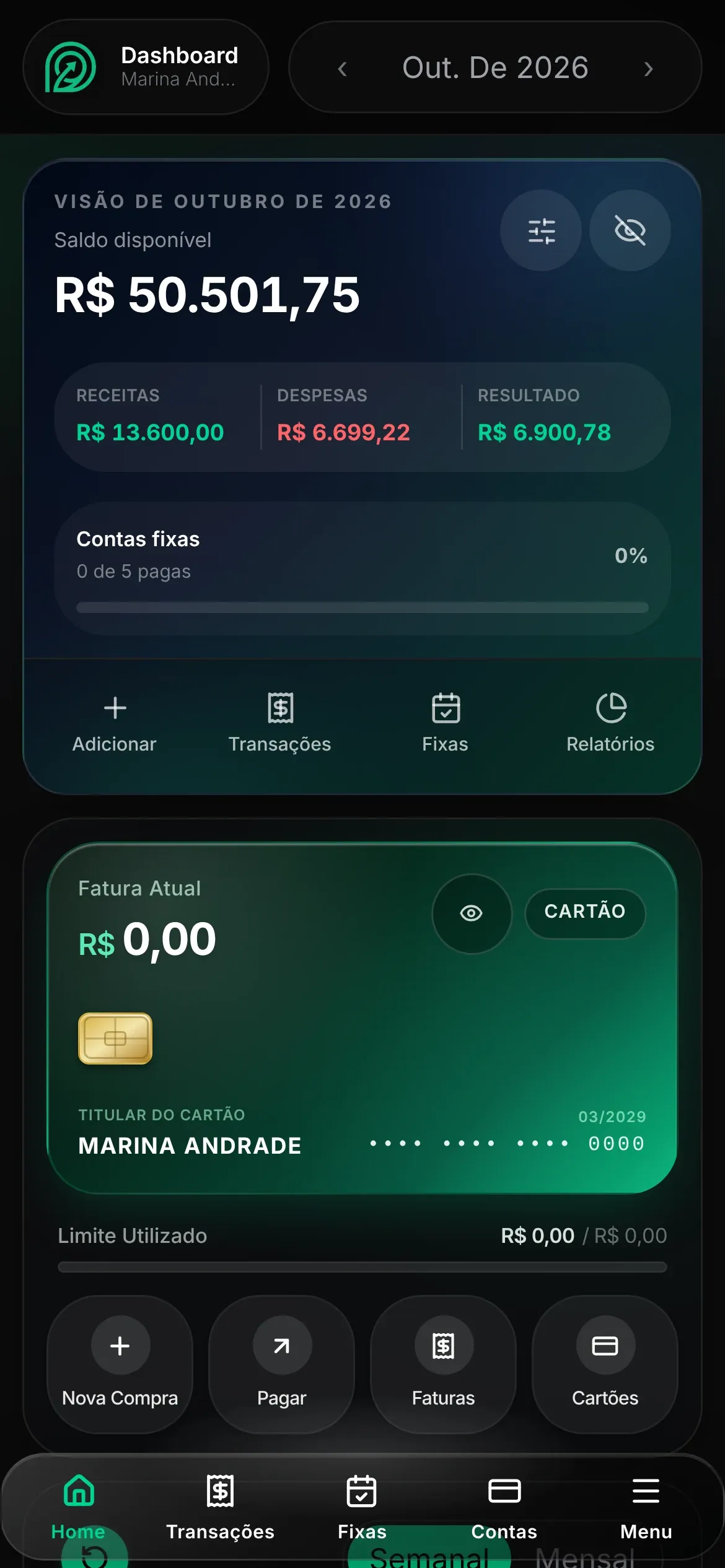
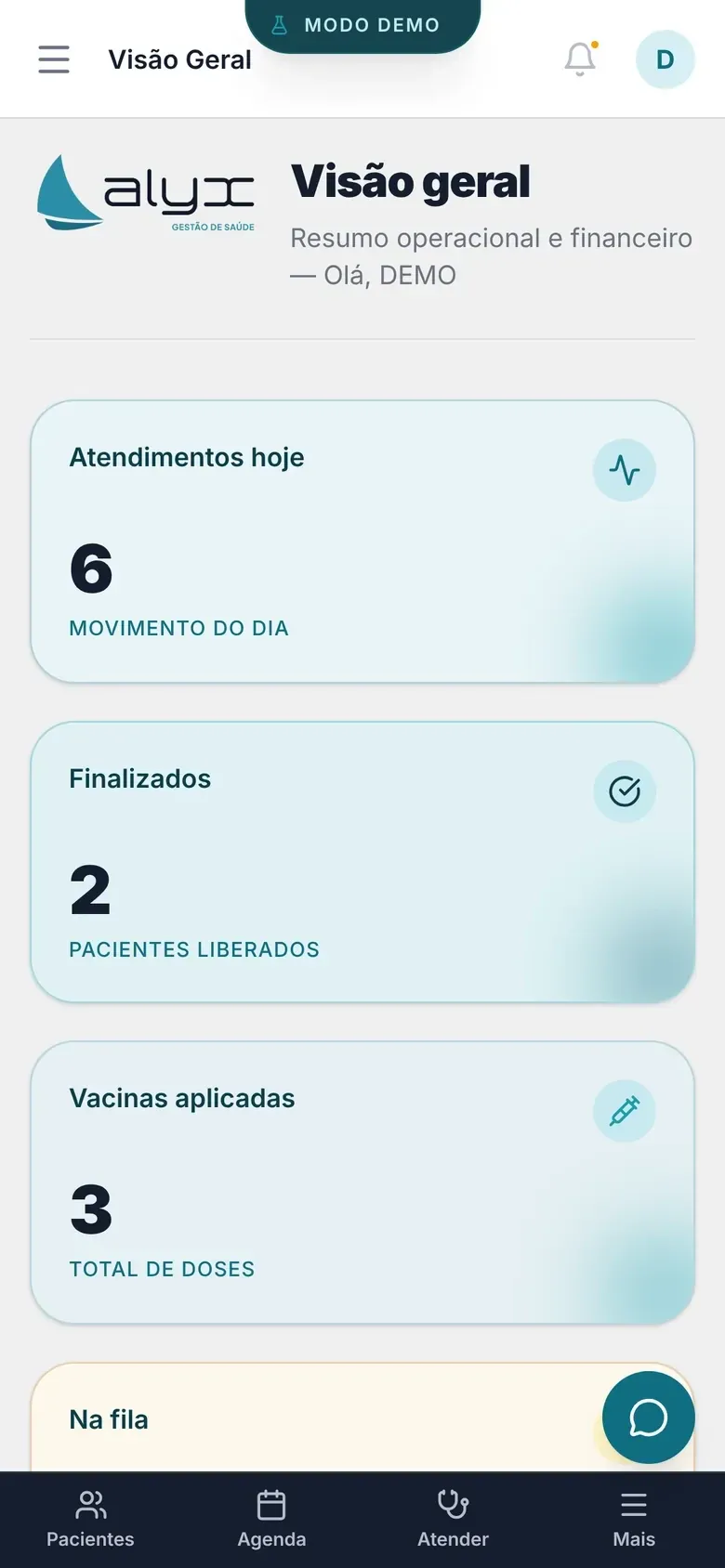
The problemYour customers or your team need to get things done on their phones, with the same account and the same data as the web system.
What we deliver
App for iOS and Android
PWA, the app people install straight from the browser, with no app store involved
Screens designed for the thumb, with bottom navigation and the main actions within reach
How we do it
First we decide with you between a store app and a PWA. A PWA ships faster and updates instantly. A store app makes sense when the product needs to be on the App Store and Google Play.
The problemSome tasks have to work directly with Windows, local files or the hardware, and a website has no such access.
What we deliver
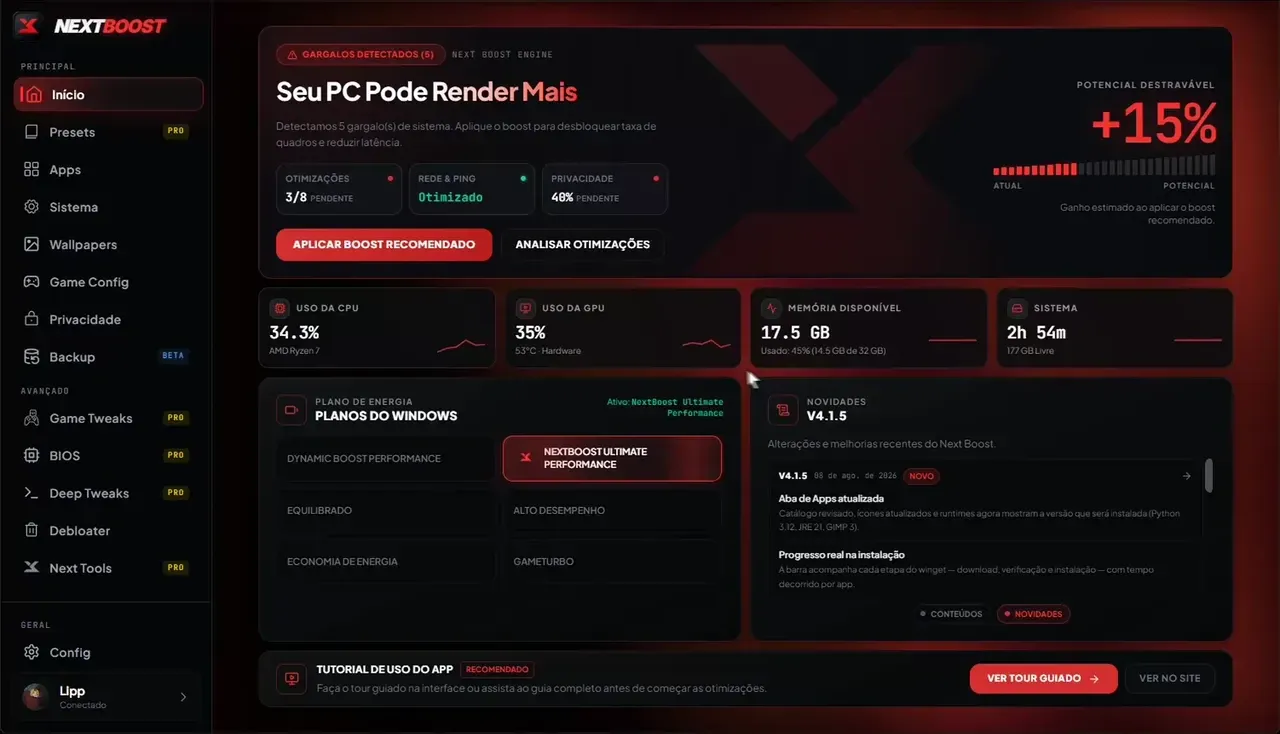
Native program for Windows 10 and 11
Automatic updates verified by signature before installing
License tied to the payment and granted as soon as it is approved
Telemetry when the product needs it, or none when the point is to run only on the user’s computer
How we do it
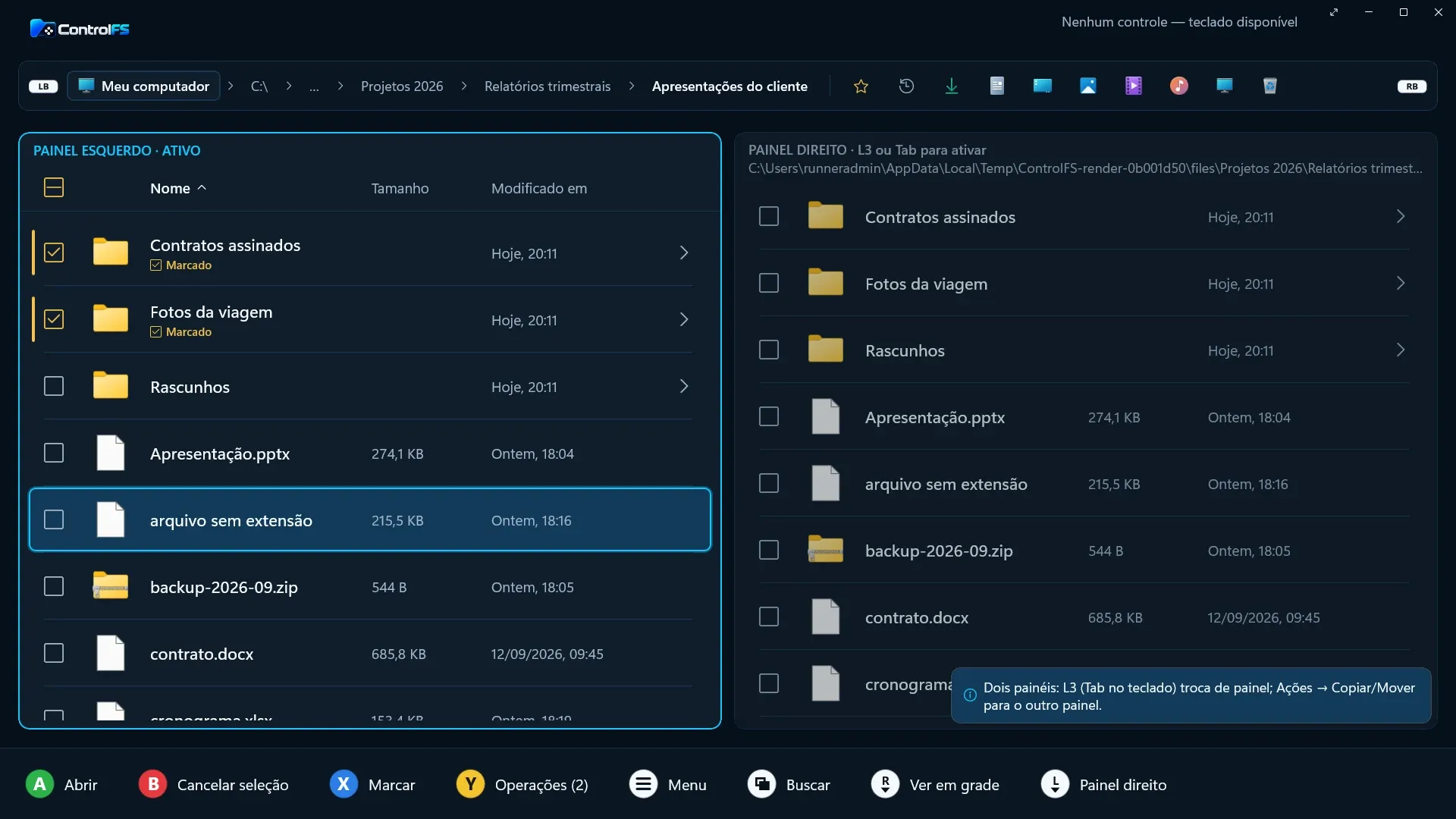
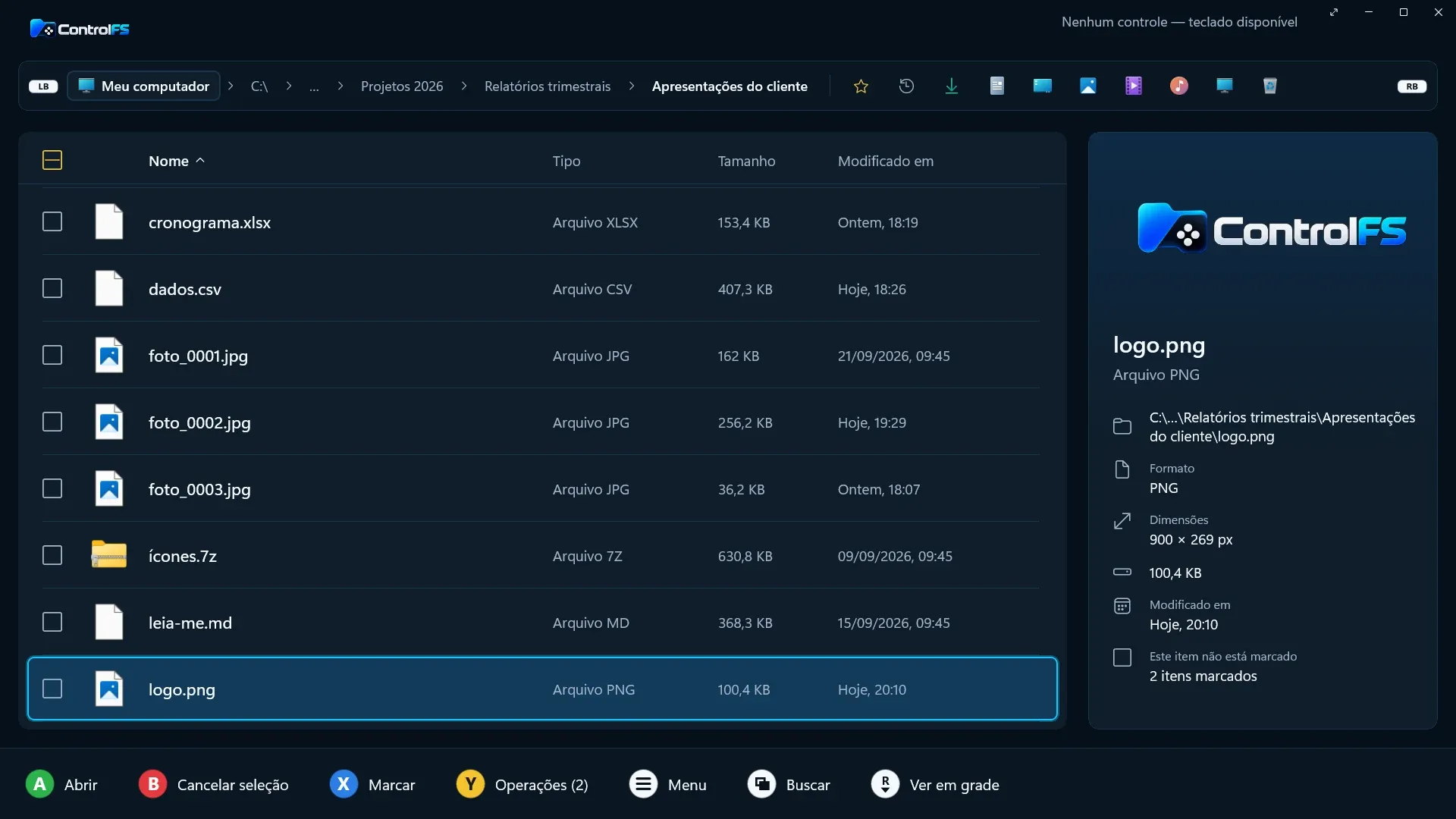
When the subject is performance, we show the measurements. ControlFS publishes its benchmark with the method and the CI runs, including the points where Windows Explorer uses less.
The problemAn approved payment has to turn into access granted, an invoice issued and an entry in the books, with no one checking by hand.
What we deliver
Checkout with Pix, card, boleto and subscription
Webhooks with retry and idempotency, so the same event is not processed twice
Integration with payment gateways, invoicing (NF-e and NFS-e) and the services the operation already uses
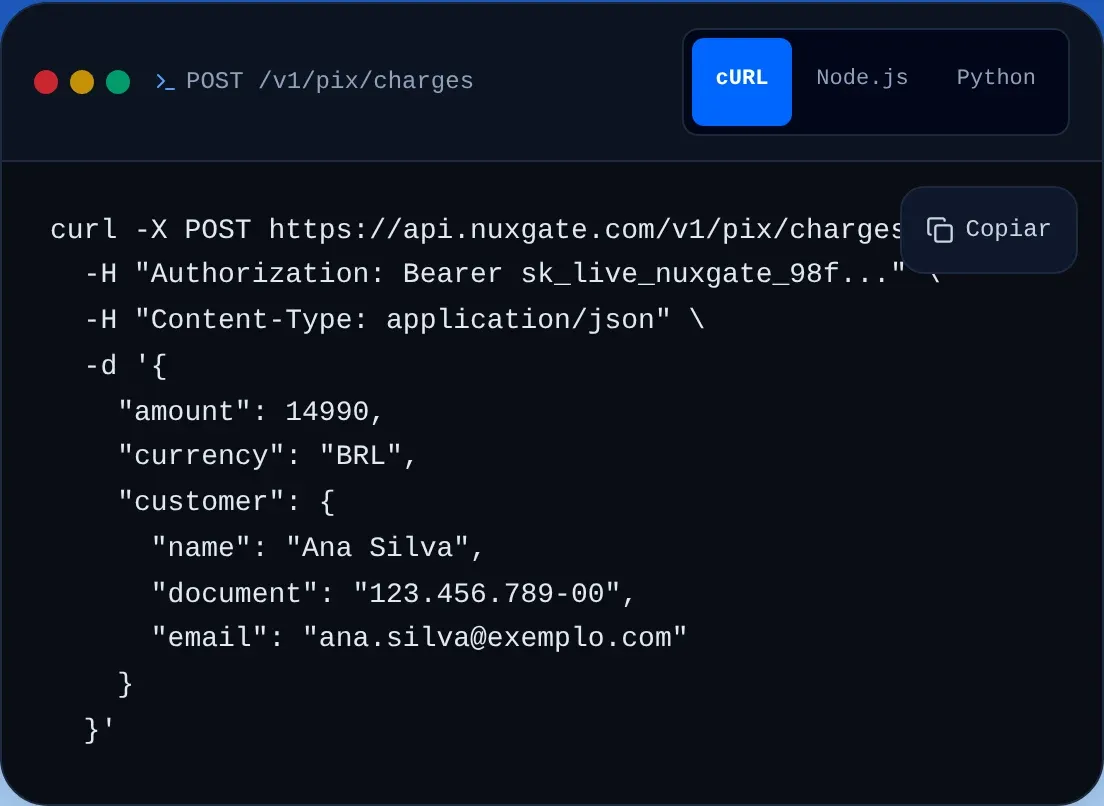
Documented REST API, with a sandbox for testing
How we do it
We assume every integration will fail at some point: the webhook arrives twice, the acquirer goes down, the external service is slow. The system has to know what to do in each case.
01Payment approvedStripe or Pix Automático
02Webhookthe gateway notifies the server
03License grantedencrypted, straight to the app
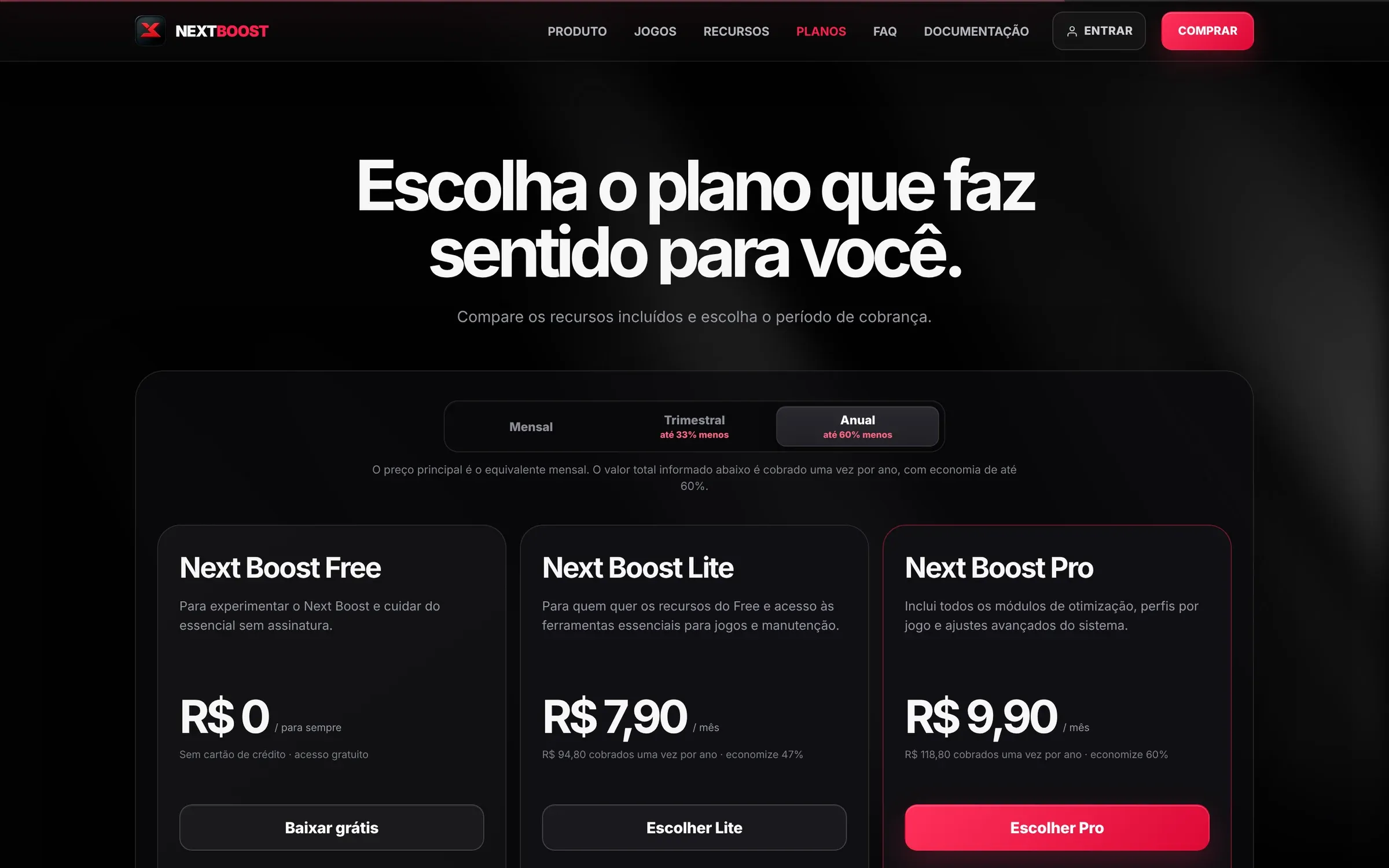
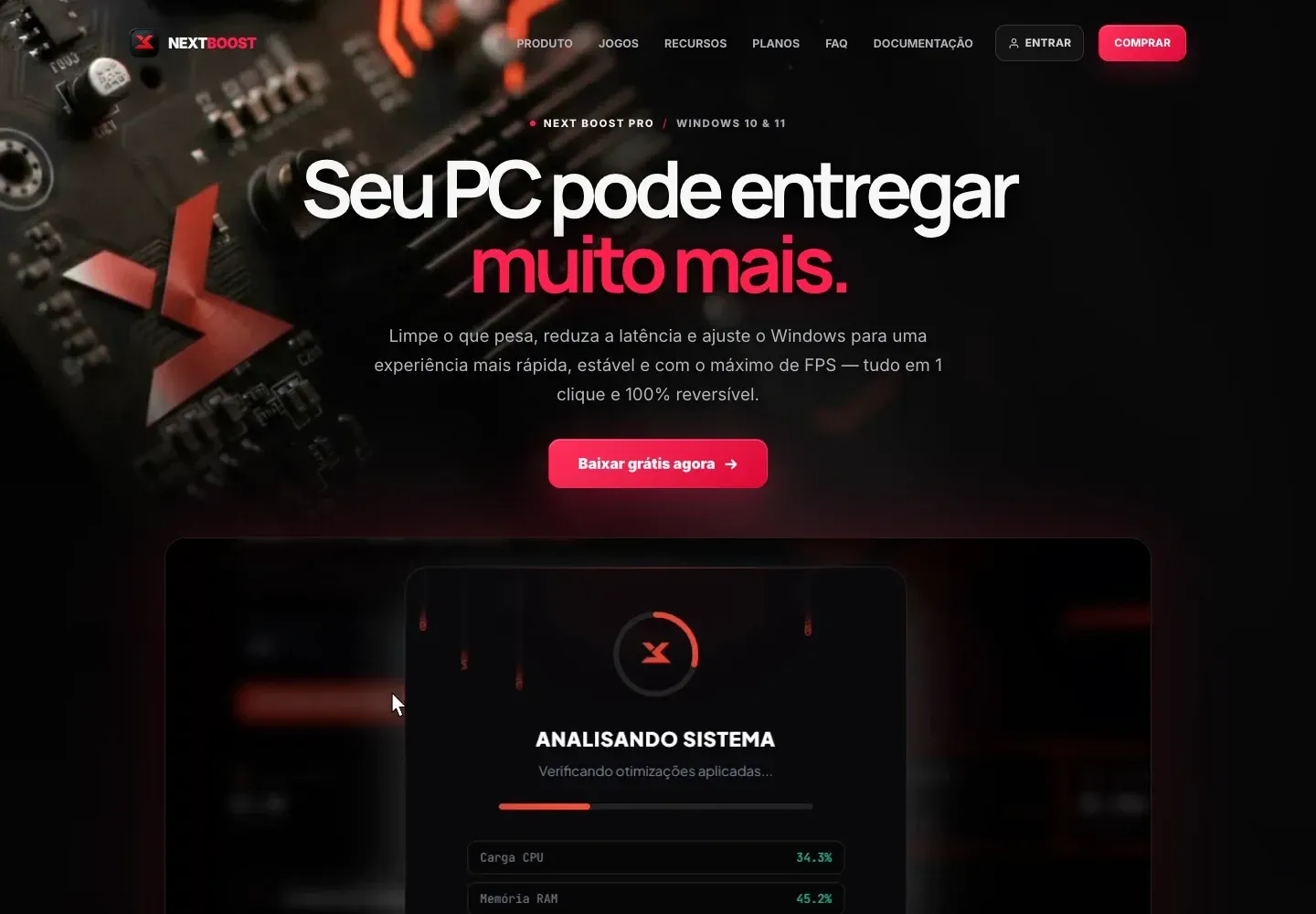
At Next Boost, the payment notification (Stripe for subscriptions and one-time purchases, Pix Automático through Woovi) grants the license with no one checking by hand.
The problemTraffic to an event portal peaks on the days of the event, exactly when the communications team publishes the most schedules, traffic updates and news.
What we deliver
WordPress portal the client’s team edits with no need for a developer
Pages for schedules, news, photos and services
Testing on our pentest server before release
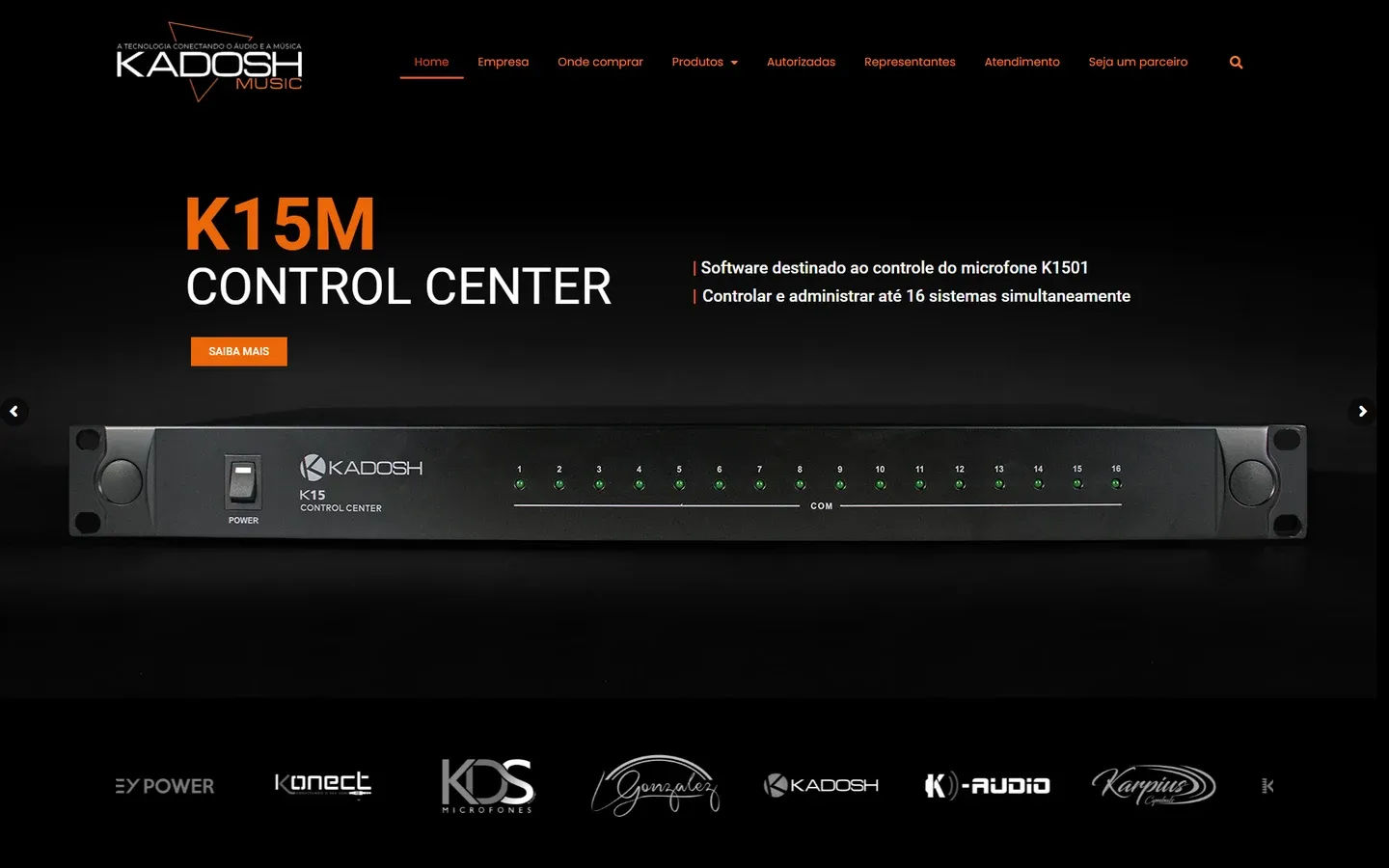
Catalogs with search, technical categories and product sheets
How we do it
We build the structure and the page templates, and the client’s team publishes the content. On Réveillon.Rio, Riotur handles the news and the schedule.
The problemThe system works, but no one wants to touch it. Documentation is missing, the dependencies have aged and every small change turns into a risk.
What we deliver
Assessment of the code, the database and the infrastructure, with risks in priority order
Security and performance fixes
Hosting and infrastructure changes when the current setup limits the system
New versions published with a changelog
How we do it
Before changing anything, we read the code and show you what we found. Then we replace it piece by piece, so the operation keeps using the system while it changes.
Yes. We start by reading the code, the database and the infrastructure, and we show you what we found before proposing any change. When rewriting a part works out better than fixing it, we explain why and what each path costs.
Who keeps the code?
That is set in each project’s contract, before work starts. If your company needs to keep the code and the hosting access, say so in the first conversation so it goes into the proposal.
Can we start small?
Yes. The first version can cover a single workflow, such as scheduling, checkout or a report that comes out of a spreadsheet today. Other parts come in over the next cycles, using the same data.
How do I follow progress?
We work in short cycles, and each cycle ends with a version you can open and test. That is where you see what is done and point out what needs to change before the next cycle.
Do you test security before release?
Yes. We run our own pentest server, and all the software we deliver goes through security testing on it before going live. We explain how on the security page.
How much does a project cost?
It depends on the scope. In the first contact we ask about the project type, the stage and what holds the operation back most today. The proposal comes out of the assessment, with the first-version scope.
Do you also build the website, infrastructure and checkout around the product?
Yes. On Next Boost, besides developing the Windows app further, we rebuilt the website, infrastructure, checkout, payments, licenses, admin panel, analytics and support.